27/09/2019
27/09/2019
Bath Flaneur,
Psychogeographer project
See Sketchbook
Took a rubbing in
graphite and noticed the back of the image had become embossed. The light
bouncing of the white page highlighting the surface detail to me is subtle and
beautiful, and not the usual way a rubbing is viewed.
Replacing the
graphite pencil with a found stone (Cotswolds shale) removed any coloration of
the rubbing bringing the focus on the surface detail. I wandered, searching for
interesting textures, and rubbed the pages, embossing the textures in the paper
which can be viewed on the reverse of the page.
Added to the map the
points at which I found the textures.
+ removing
ink/colour from the image pulls the focus to the surface detail and discards
any influence on the design from the media you may have chosen.
+ Cotswolds shale
has a worn and rounded form so helps prevent holes being formed (although not
entirely)
+ I was using the
local geography, namely where the textured surfaces arose, to choose my path –
some streets were paved in concrete so I actively went another route
+ Viewing the reverse
means the image is the correct way around
-should have
recorded what I took the rubbing from, possibly the time I took it, maybe the
weather conditions etc
https://www.theguardian.com/artanddesign/2009/sep/19/drawing-guide-rubbings-texture
What
will I learn?
The idea is to
develop a range of marks and textures that will get you thinking about the
differences between physically touching objects and trying to draw an
equivalent of a sensation of texture.
Fish Rubbing – Gyotaku (Gyo fish, Taku stone impression) in Japan
to indicate size of the catch
Chokusetsu-ho Direct style fish rubbing
Clean fish -> Prep fish -> Support it -> Ink it -> Cover
with dampened washi (rice) paper -> Image -> Add extra details afterwards
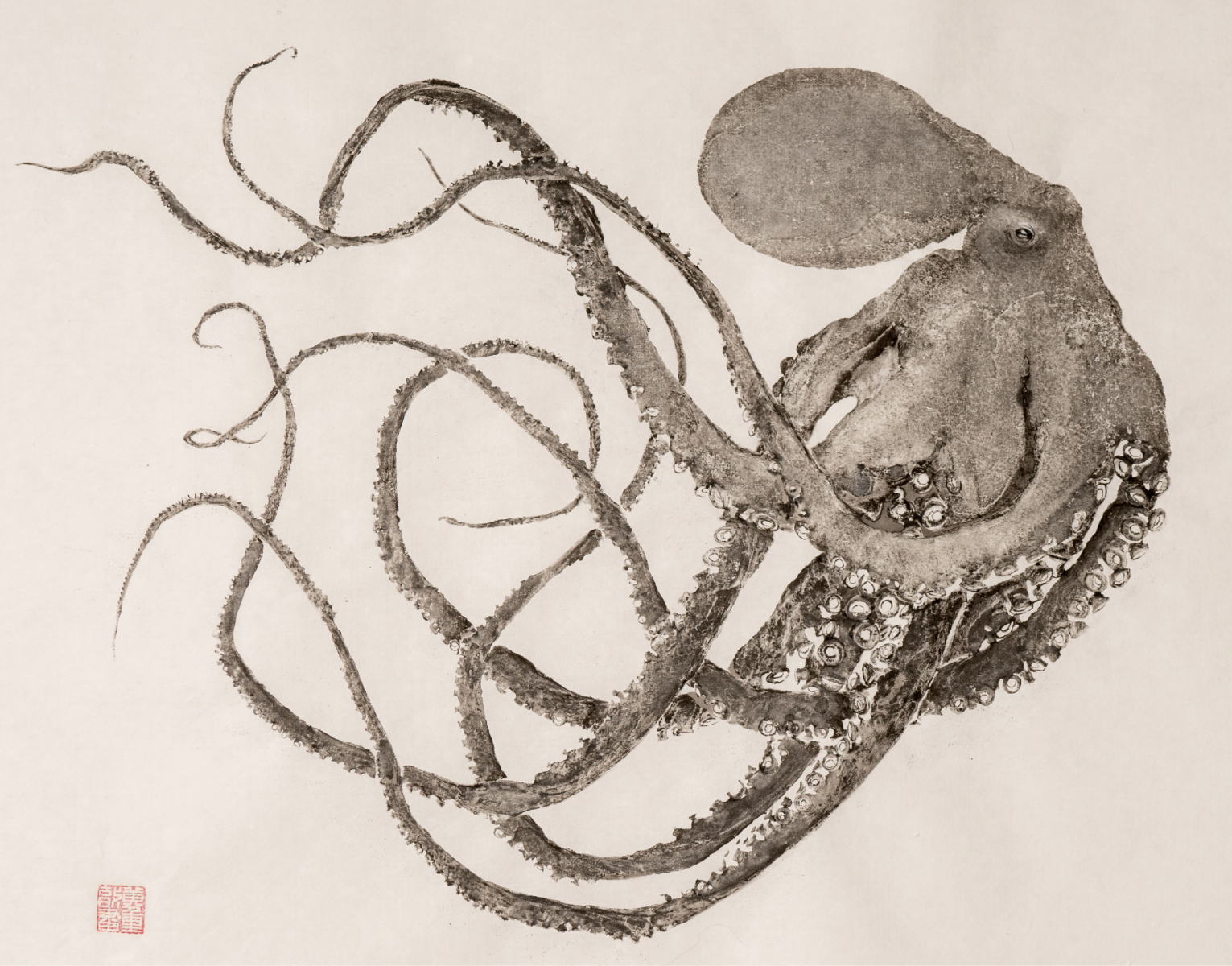
Buddhist Canon carved into 7,137 stone tablets (4 million characters)
606-1096 AD – rubbings taken from these which allowed this to be put in print
Rubbings became the primary means to reproduce and share historical
data/poetry/texts in China – emerging after the invention of paper around 100AD
Earliest known Chinese rubbings 627-649 AD (Tang Dynasty)
Grave rubbings etc – most recommend WET paper for taking a rubbing
especially washi paper so it can be pressed well into the indentations
See Sketchbook found objects are very well embossed, likely to have been rained on and
run over/walked upon
Brass rubbing (late 12 century Britain)
Frottage surrealist and
‘automatic’ method of creative production developed by Max Ernst
Idea was to take a rubbing with a drawing tool:
-> work complete
-> basis for further refinement

Max Ernst 'The fugitive' 1926
Frottage is aleatoric and random (compared to brass rubbings for example
where you are rubbing to replicate an image created for this purpose)
Aleatoric – incorporation of chance into the process of creation
(especially in Art)
Automatism – surrealist technique
There are many surrealist automatic techniques including Frottage
(Grattage – painted canvas is placed over an object and scraped back)
Can use frottage systematically to add a natural/not
prescribed/aleatoric texture to an aspect of your art work

 Gerda Lipski www.gerdalipski.com/
I made the specific choice NOT to use
ink/graphite to make the rubbing
I made texture
rubbings
OR TEXTURE
FROTTAGE
Encouraging the
viewer to notice the surface detail
See. Collograph Plates – made from scraps string,
fabric, fibres, sand etc

lynnbailey.co.uk
See. Embossed Papers

‘From this pile of embossed pages,
each one 7cm x 7cm, representing sections of a map of Manhattan that I had
embossed on a larger sheet of paper and then cut up, I wrote my letters and
made a book.’ https://paperponderings.blogspot.com/2014/12/alaw-finished.html

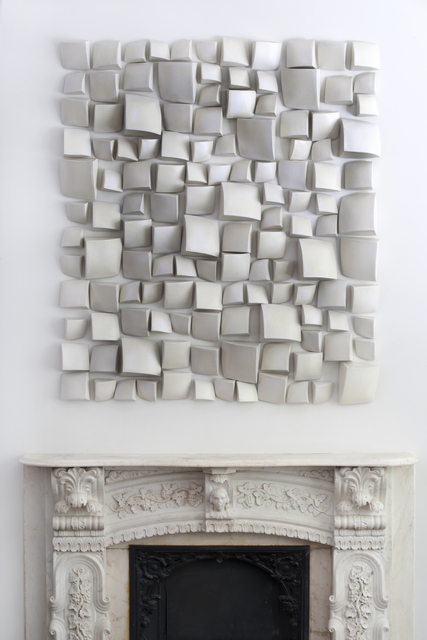
Wall Pillow Field, 2015
Ceramic
65 × 56 × 7 in
165.1 × 142.2 × 17.8 cm
Unique
Maren
Kloppmann
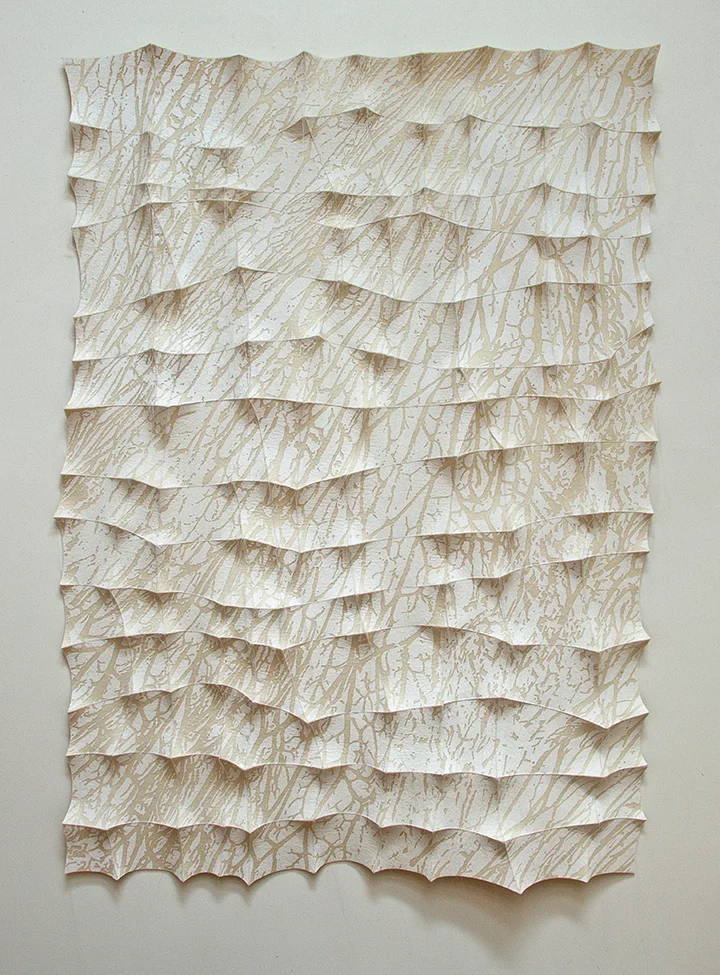

https://www.booooooom.com/2011/06/28/artist-painter-danielle-mysliwiec/
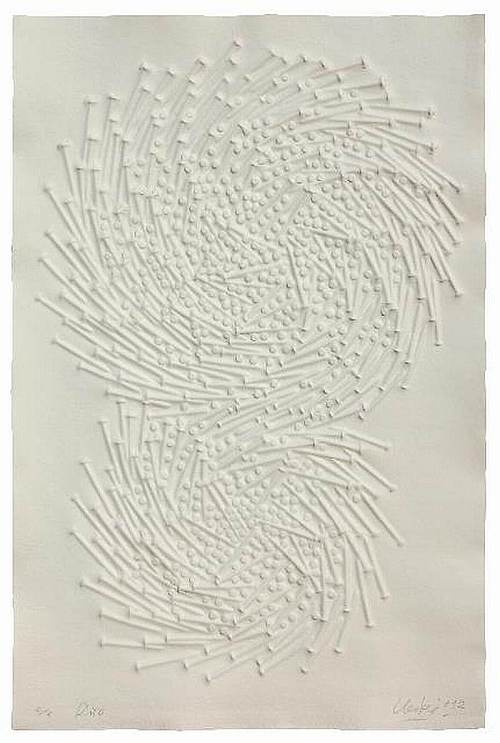
Titel: "DUO 2012"
Auflage: 120 Exemplare
Maß: 80 x 120 cm
Günther Uecker
Nails become his
obsession. Member of Zero group (in opposition to abstract expressionists).
Kinetic
art – play of light and shadows
Project based on found paper that had been embossed
by rain-wear and tear.
RAINY DAY ->
PIECES OF PAPER -> ONTO A TEXTURED SURFACE -> LEAVE -> WAIT UNTIL DRY
? will the paper be
embossed.
? do they need to be
walked on.
? does the quality
of paper make a difference.
+ one surface which
had the chance to dry quickly (table with holes) was slightly embossed
-only very delicate
markings were left as paper dried – was this paper too thick?
-I selected the
textured surfaces, I could have made it automatic and thrown the paper in the
air for example
-I did not walk or
rub the paper, this could have influenced the surfaces picked up by the paper
Can try
different qualities of paper
Automatic
and non-automatic approach


Comments
Post a Comment